
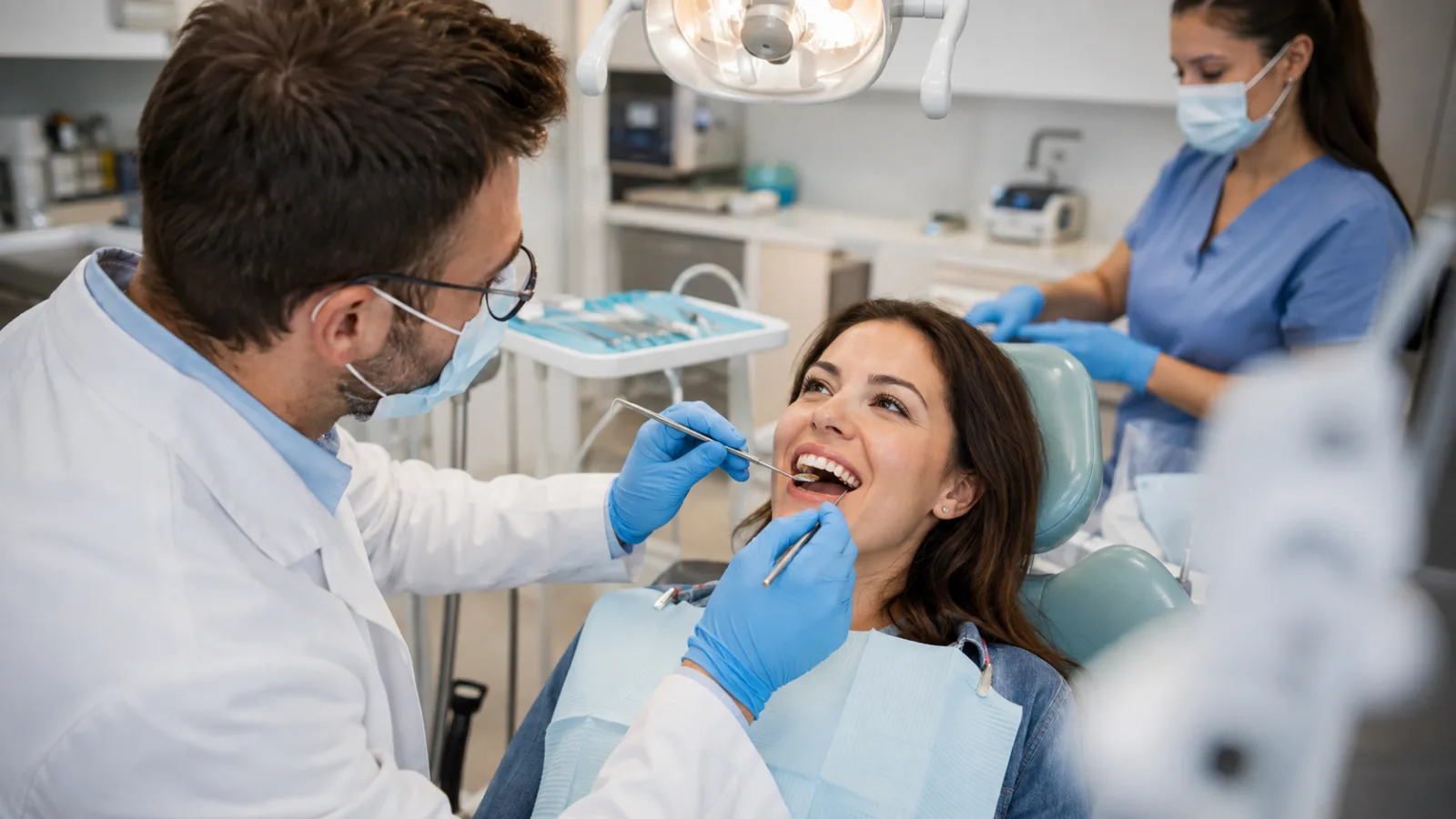
Many people would like straighter teeth but feel hesitant about wearing metal braces. Invisalign and other clear aligners offer a discreet, removable alternative for many teens and adults. The trays fit closely over the teeth and gradually guide them toward planned positions.
For patients considering Invisalign and clear aligners in Raleigh, NC, understanding the process can make the decision feel much easier. Here is what clear aligner treatment involves, from the first consultation through long-term retainer wear.
This article provides general educational information and is not a diagnosis or substitute for professional dental advice. A dentist or orthodontist must evaluate your teeth, gums, and bite to determine whether clear aligners are appropriate for you.
What Are Clear Aligners?
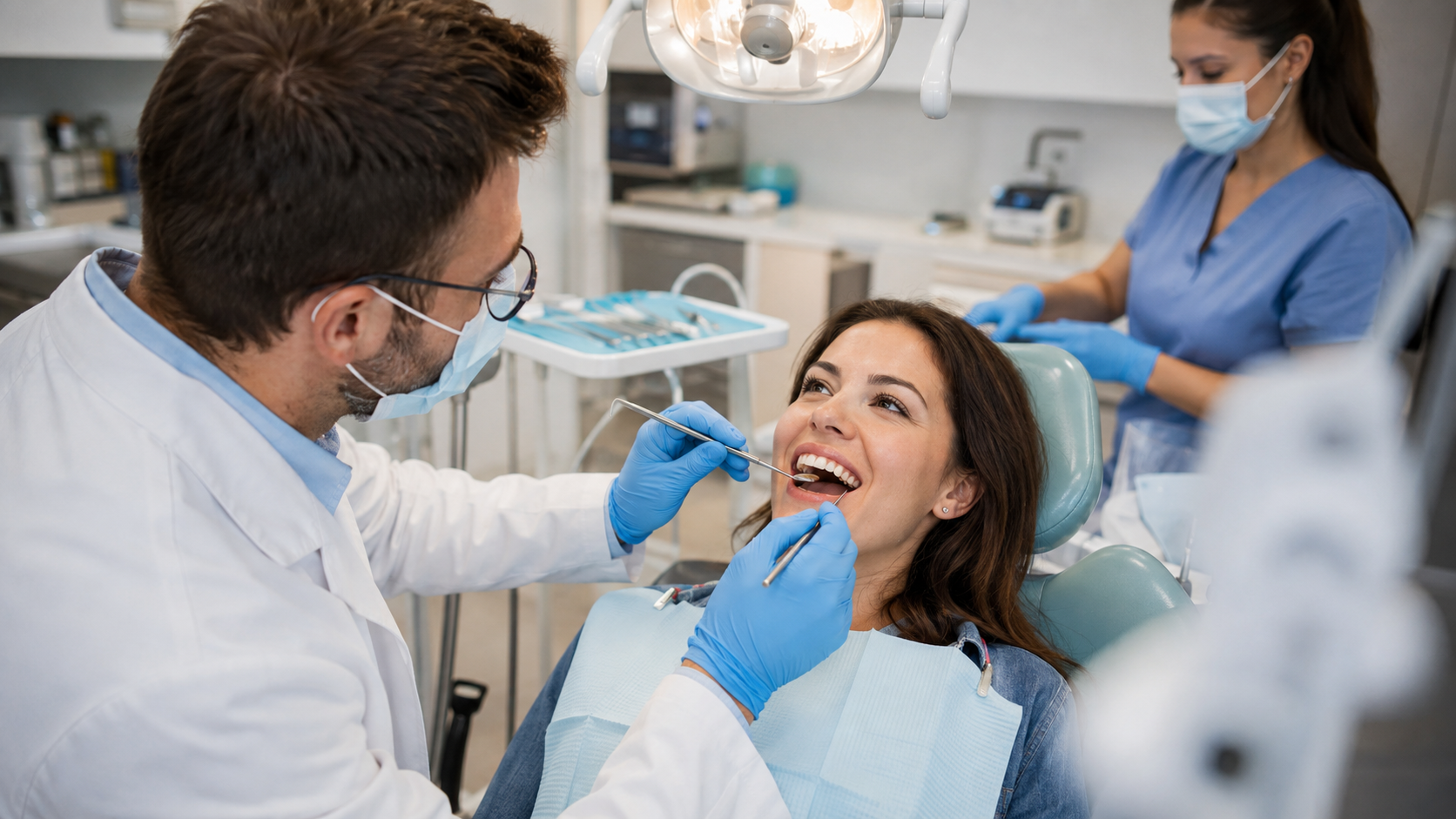
Clear aligners are custom-made plastic trays used to move teeth gradually. Instead of using brackets and wires, treatment relies on a planned series of aligners. Each tray applies controlled pressure to selected teeth before the patient moves to the next set.
Invisalign is a well-known brand of clear aligner therapy, while “clear aligners” is the broader treatment category. Different systems may use distinct materials, software, and treatment protocols, but they share the same basic idea: a sequence of removable trays guides tooth movement under professional supervision.
Because the trays are transparent and fit closely around the teeth, they are generally less noticeable than traditional braces. They can also be removed for meals, brushing, and flossing. However, removable does not mean optional. Consistent daily wear is one of the most important parts of successful treatment.
How Invisalign and Clear Aligners Work
Treatment begins with an evaluation of the teeth, gums, jaw relationships, and bite. The dentist may use photographs, digital scans, and other diagnostic records to understand the starting position of the teeth and create a personalized plan.
Once the plan is ready, a series of trays is produced. Each aligner represents a small step toward the intended result. According to the Cleveland Clinic, clear aligners are commonly worn for about 22 to 23 hours per day and removed for eating, brushing, and flossing. A new set is often introduced approximately every two weeks, although the exact schedule depends on the treatment plan and the patient’s progress.
Periodic dental visits allow the provider to check that the trays fit correctly and the teeth are responding as expected. If tooth movement does not closely match the digital plan, additional scans and refinement aligners may be needed.
What Are Attachments?
Some patients need small, tooth-colored shapes called attachments placed on certain teeth. These provide extra grip so the aligners can perform more precise movements. Attachments may be noticeable at close range, but they are designed to blend with the teeth.
Depending on the bite problem, a provider may also recommend elastics or other supporting features. Needing attachments does not mean treatment is going poorly; they are simply tools used to improve control.
What Clear Aligners May Correct
Clear aligners may be considered for several common orthodontic concerns, including:
- Crowded or overlapping teeth
- Spaces or gaps between teeth
- Certain overbites, underbites, and crossbites
- Teeth that have shifted after previous orthodontic treatment
- Some mild to moderate alignment concerns
Not every case is best treated with aligners. Complex tooth movements, significant jaw discrepancies, or certain bite conditions may require traditional braces, specialist care, or a combination of treatments. The best option depends on clinical findings rather than appearance alone.
Healthy teeth and gums also provide the foundation for orthodontic care. Active decay, gum inflammation, or other dental problems may need attention before tooth movement begins. Connection Dentistry explains that clear aligner candidacy is determined through an individualized evaluation and conversation about the patient’s health and goals.
Benefits and Limitations to Consider
Potential Benefits
The discreet appearance is often the first benefit patients notice, but it is not the only one. Since the trays come out, patients can usually continue eating their preferred foods without navigating brackets and wires. Brushing and flossing may also feel more familiar because the aligners are removed first.
The smooth trays may reduce some of the cheek and lip irritation associated with metal hardware. Digital planning also gives patients a helpful visual explanation of how treatment is intended to progress.
Practical Limitations
Clear aligners require consistent cooperation. Leaving them out for long stretches may delay progress or prevent the next tray from fitting properly. Patients must also keep track of the aligners and avoid wrapping them in napkins, where they can easily be discarded.
The trays should generally come out for food and beverages other than plain water. Eating with them can damage or stain the material, while sugary or acidic drinks trapped under an aligner may expose teeth to prolonged contact.
Aligners are less visible than braces, but they are not always completely invisible. Attachments, elastics, and natural reflections from the plastic may still be noticeable. A realistic discussion with the provider helps prevent surprises.
Comfort, Daily Care, and Treatment Progress
A new aligner may cause pressure or temporary soreness, especially during the first few days. The Cleveland Clinic notes that discomfort commonly eases after a few days. Persistent pain, a sharp edge, a damaged tray, or a sudden change in the bite should be reported to the treating dental professional.
Simple habits can make treatment more comfortable and predictable:
- Wear each tray according to the prescribed schedule.
- Brush and floss before putting aligners back in whenever practical.
- Rinse trays with cool or lukewarm water rather than hot water, which may distort plastic.
- Clean aligners with the method recommended by the dental team.
- Store trays in their case when they are not being worn.
- Bring the current aligners to progress appointments.
- Contact the office before skipping ahead or returning to an older tray.
Regular dental cleanings and preventive exams remain important during orthodontic treatment. Clear aligners move teeth, but they do not protect against cavities or gum disease.
How Long Does Clear Aligner Treatment Take?
There is no single timeline that applies to everyone. A small amount of tooth movement may take substantially less time than correcting widespread crowding or a complicated bite. The Cleveland Clinic notes that minor cases may require aligners for up to about nine months, while more involved cases may take several months longer.
Total treatment time also depends on daily wear, biological response, missed appointments, broken or lost trays, and whether refinement aligners are necessary. The estimate provided at the beginning is a clinical projection rather than a guarantee.
When active tooth movement is complete, retainers are typically needed to help preserve the new alignment. Teeth can shift over time, so retainer wear should be viewed as part of long-term maintenance rather than an optional extra.
What Do Clear Aligners Cost in Raleigh?
Cost varies based on the complexity of the case, the expected treatment length, the number of aligners, required refinements, and what is included in the plan. Connection Dentistry’s published dental treatment pricing lists clear aligner therapy as starting at $3,900. Because every case is different, patients should request a personalized estimate and confirm current pricing directly with the practice.
Dental insurance may contribute when a plan includes orthodontic benefits, but coverage, age restrictions, waiting periods, and lifetime limits vary. Patients may also want to ask about financing arrangements, payment schedules, health savings account eligibility, retainers, and whether refinement trays are included in the quoted fee.
A useful estimate should explain more than the initial price. It should clarify what records, appointments, aligners, refinements, and retainers are included so the patient can compare options accurately.
Questions to Ask at a Clear Aligner Consultation
Patients can make the most of a consultation by bringing a short list of questions:
- What concerns can clear aligners realistically correct in this case?
- Would braces or another approach offer better control?
- How many hours per day should the trays be worn?
- Will attachments or elastics be needed?
- How often will progress visits occur?
- What happens if an aligner is lost or does not fit?
- Are refinements and retainers included in the fee?
- What results and limitations should the patient reasonably expect?
A trustworthy treatment plan should address oral health, bite function, appearance, lifestyle, and long-term retention—not simply promise straighter-looking teeth.
Frequently Asked Questions
Can a patient eat while wearing Invisalign aligners?
Aligners are generally removed for meals and snacks. Patients should follow their provider’s instructions and brush or rinse before reinserting the trays when possible. Plain water is usually the safest beverage while the aligners are in place.
Do clear aligners affect speech?
Some people notice a temporary lisp when they first begin wearing aligners. The tongue often adapts as the patient becomes accustomed to the trays. A fit problem or speech change that continues should be discussed with the provider.
Are clear aligners only for adults?
No. Some teenagers may be good candidates if their teeth and jaws are at an appropriate stage of development and they can follow the daily wear schedule. Candidacy depends on clinical needs and patient responsibility, not age alone.
What happens if an aligner is lost?
The patient should contact the dental office rather than automatically moving to the next tray. Depending on the treatment stage, the provider may recommend wearing the previous aligner, advancing to the next one, or ordering a replacement.
Will teeth stay straight after treatment?
Teeth naturally tend to shift over time. Wearing retainers as directed and attending recommended follow-up visits help protect the result, although no provider can guarantee that teeth will never move.
Explore Clear Aligners in Raleigh, NC
Clear aligners can provide a comfortable, low-profile way to improve alignment, but the right plan starts with a careful examination. Connection Dentistry offers clear aligner care in Raleigh, NC with treatment recommendations based on each patient’s oral health, bite, goals, and daily routine.
If you are curious about Invisalign or another clear aligner option, consider scheduling a consultation with Connection Dentistry. The team can answer questions, evaluate candidacy, and explain expected timing and costs without pressure. Patients can request an appointment online or call the Raleigh practice to take the next step.

