

Choosing a dentist can feel surprisingly personal. A dental office is not simply a place to have teeth cleaned. It is where patients ask questions, discuss health concerns, make treatment decisions, and ideally build a relationship that lasts for years.
When searching for a dentist in Raleigh, NC, it helps to look beyond the nearest address or the first name in a search result. The right practice should make care understandable, respect individual concerns, and offer support through preventive visits as well as unexpected dental problems.
This guide explains the qualities that matter, questions worth asking, and practical signs that a dental office may be a good fit.
This article offers general educational information and is not a substitute for an examination, diagnosis, or personalized treatment advice from a qualified dental professional.
Start With Your Personal Dental Needs
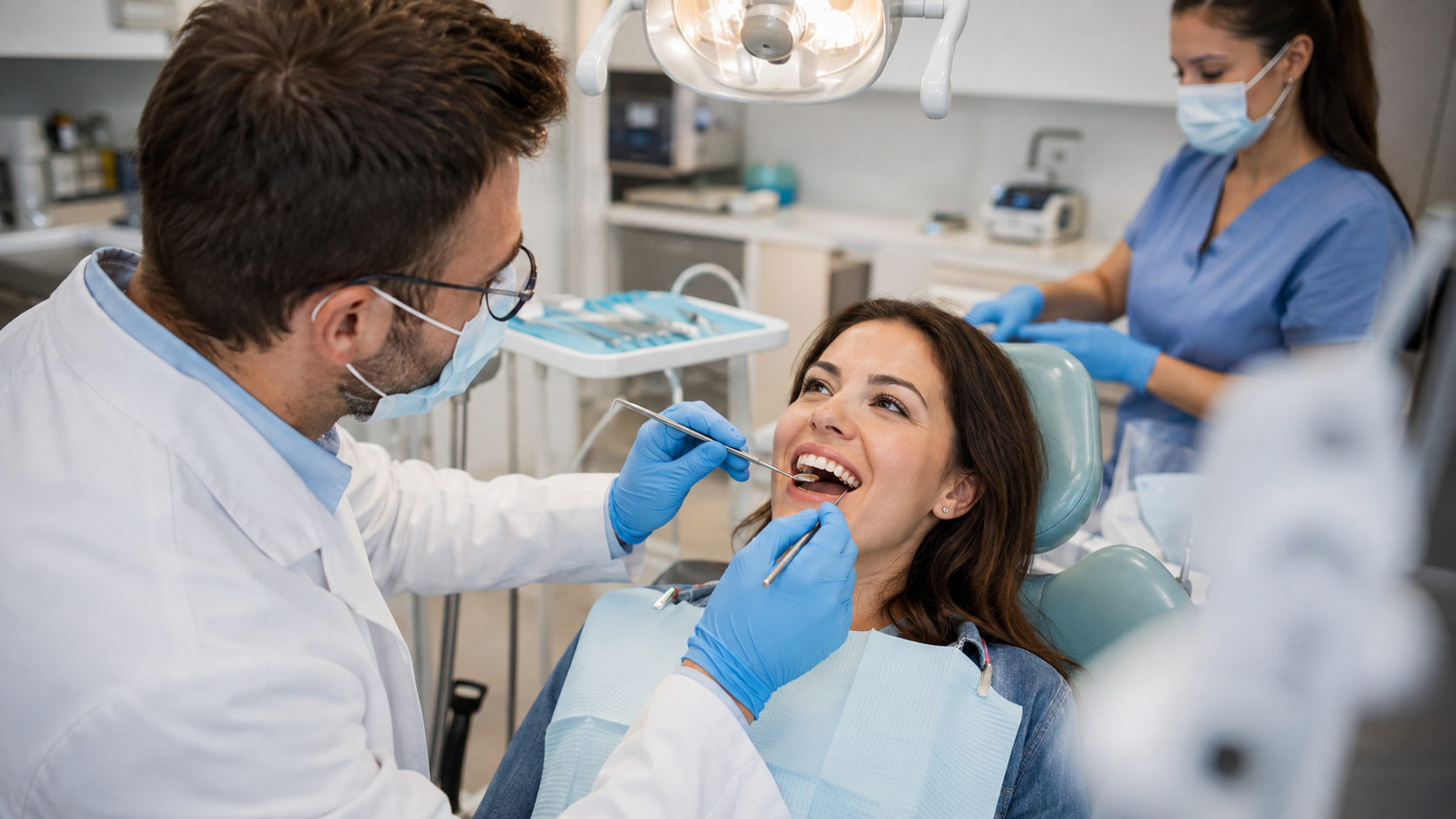
There is no single best dentist for every patient. The best match depends on a person’s health, goals, schedule, comfort level, and previous dental experiences.
Before comparing Raleigh dental offices, consider what kind of support is most important. Some patients primarily want preventive care, while others need help with a damaged tooth, missing teeth, gum concerns, or the appearance of their smile. Parents may want one office that can care for several members of the household. A patient who feels nervous about treatment may place extra value on clear explanations and comfort options.
A useful starting list may include:
- Routine dental exams and professional cleanings
- Evaluation of tooth sensitivity, discomfort, or changes in the gums
- Restorative care for damaged, decayed, or missing teeth
- Cosmetic options for the color, shape, or alignment of a smile
- Convenient scheduling and a location that is easy to reach
- Help understanding insurance, payment options, and treatment estimates
- A calm, respectful approach for dental anxiety
Identifying these priorities makes it easier to ask focused questions rather than choosing an office based on convenience alone.
Look for Clear, Respectful Communication
Good dentistry begins with good communication. Patients should feel comfortable describing symptoms, sharing concerns, and asking for clarification without feeling rushed or embarrassed.
A patient-centered dental team should explain what it sees, what additional information may be needed, and why a particular treatment is being discussed. When appropriate, the dentist should also review reasonable alternatives, expected benefits, possible limitations, and what could happen if care is postponed.
Pay attention to how the team responds to simple questions. Helpful communication is usually specific and easy to understand. Instead of relying only on technical terms, the dentist might use photographs, digital images, models, or everyday comparisons to explain a concern.
Questions to ask about communication
- Will the dentist explain findings before recommending treatment?
- Can patients ask questions before deciding?
- Will the office provide a written treatment plan when appropriate?
- How does the team communicate after a procedure or between visits?
- Can the dentist help prioritize care if several concerns are found?
Patients should never feel pressured into making an immediate decision about non-urgent care they do not understand.
Consider the Range of Dental Services
A practice that provides several types of care may offer greater continuity over time. General and family dentistry commonly focuses on ongoing examinations, cleanings, and treatment of everyday dental concerns. Restorative care addresses damaged or missing teeth, while cosmetic dentistry focuses on changes a patient would like to make to the appearance of a smile.
Some patients may also need more advanced evaluation for dental implants or other complex treatment. Even when a procedure requires coordination with another clinician, the general dentist can remain an important point of contact.
Before scheduling, patients can ask whether the office regularly evaluates their specific concern. They should also ask when referrals are made and how the practice coordinates care with specialists. A trustworthy dentist recognizes when another professional’s expertise may be beneficial.
Make Comfort Part of the Decision
Dental anxiety is common, and it can range from mild nervousness to a strong fear that makes scheduling difficult. A supportive office should take those feelings seriously rather than dismissing them.
Comfort starts before treatment. Friendly scheduling, a welcoming environment, and clear expectations can make an appointment feel more manageable. During the visit, patients may appreciate step-by-step explanations, agreed-upon breaks, or a signal they can use when they need the dentist to pause.
Anyone who feels anxious should mention it while booking. Helpful questions include:
- How does the team support nervous patients?
- Can a longer appointment be scheduled for extra discussion?
- Will the dentist explain each step before beginning?
- Are comfort or sedation options available when clinically appropriate?
- Can a trusted companion attend part of the visit if needed?
Available options vary, and sedation is not suitable for every person or procedure. A dentist must review individual health history, medications, and treatment needs before recommending it.
Ask How Technology Improves the Patient Experience
Modern dental tools can help clinicians gather information, plan care, and explain findings. However, the presence of technology does not automatically make one practice better than another. What matters is how thoughtfully the team uses it.
Patients may encounter digital X-rays, intraoral photographs, three-dimensional imaging, digital impressions, or computer-assisted treatment planning. Not every tool is needed at every appointment. The dentist should be able to explain why a particular image or scan is appropriate and how it may affect the treatment plan.
Technology should support professional judgment and patient understanding—not replace a careful examination or a meaningful conversation.
Know What to Expect at a First Appointment
A first visit allows both the patient and dental team to establish a starting point. The exact appointment will depend on the person’s symptoms, dental history, and the type of visit scheduled.
The office may begin by reviewing medical conditions, medications, allergies, previous dental treatment, and current concerns. The dentist may then examine the teeth, gums, bite, and surrounding oral structures. Diagnostic images may be recommended when needed to evaluate areas that cannot be fully assessed by sight alone.
A cleaning may be completed at the same appointment, but that is not always appropriate. If the team identifies gum inflammation, heavy buildup, pain, or another concern, it may recommend a different type of visit or further evaluation first.
How to prepare
- Bring identification and current dental insurance information, if applicable.
- Prepare a list of medications, supplements, allergies, and relevant health conditions.
- Write down questions or symptoms, including when they began.
- Share previous dental records or imaging if the new office requests them.
- Tell the team about anxiety, sensitivity, or past experiences that may affect comfort.
Honest information helps the dental team adapt the visit to the patient’s needs.
Discuss Costs Before Treatment Begins
Dental costs vary according to the procedure, materials, complexity, insurance benefits, and individual treatment plan. Online prices may provide broad context, but they cannot replace an examination and personalized estimate.
Before agreeing to non-emergency treatment, patients can request a written estimate and ask what it includes. It is also useful to clarify whether the practice participates with a particular insurance plan, submits claims on the patient’s behalf, or offers financing and phased treatment options.
Important financial questions include:
- What is the estimated total fee?
- Which parts may be covered by insurance?
- Are laboratory fees, imaging, or follow-up appointments included?
- When is payment due?
- Can treatment be completed in stages when clinically reasonable?
Insurance estimates are not guarantees of payment. The insurer makes the final benefit determination, so patients may still have an out-of-pocket balance.
Pay Attention to Practical Details
Even excellent care can become difficult to maintain if the office does not fit a patient’s daily life. Location, hours, parking, appointment availability, and communication methods all matter.
Patients may want to ask how far in advance routine visits are scheduled and what happens when an urgent concern develops. It is also helpful to understand the cancellation policy, after-hours instructions, and preferred method for appointment reminders.
For Raleigh residents balancing work, school, and family responsibilities, a conveniently located practice with straightforward communication may make regular care easier to manage.
Recognize Green Flags and Warning Signs
A strong first impression involves more than attractive décor. Look for a team that listens, maintains professional standards, explains recommendations, and respects the patient’s role in decision-making.
Encouraging signs
- The team reviews medical and dental history carefully.
- The dentist invites questions and answers them clearly.
- Recommendations connect directly to examination findings.
- Fees and next steps are discussed before treatment.
- The office respects concerns about comfort, timing, and budget.
- Patients receive instructions they can understand and follow.
Potential warning signs
- Pressure to accept elective treatment immediately
- Promises of guaranteed results
- Unclear fees or reluctance to provide an estimate
- Dismissive responses to pain, anxiety, or questions
- Recommendations made without an adequate evaluation
A patient who remains uncertain may ask for more explanation or seek a second opinion before proceeding with extensive non-urgent treatment.
Finding a Dentist in Raleigh, NC
Connection Dentistry describes itself as a full-service cosmetic, implant, and family dental practice serving Raleigh and surrounding communities. The practice’s dental team includes Dr. Brandon Rensch and Dr. Christine Laster.
Patients considering the practice can use a consultation to discuss their goals, ask about relevant treatment options, and decide whether the environment feels comfortable. Connection Dentistry is located at 415 Vick Ave, Raleigh, NC 27612. Current hours and appointment availability can be confirmed through the practice’s contact page or by calling (919) 887-0688 for new-patient inquiries.
Frequently Asked Questions
How often should a patient visit the dentist?
The right schedule depends on oral health, medical history, previous treatment, and individual risk factors. A dentist can recommend an appropriate examination and cleaning schedule after evaluating the patient.
Should someone wait for tooth pain before scheduling?
No. Some dental concerns may not cause noticeable discomfort at first. Preventive appointments allow the dentist to evaluate changes and discuss whether monitoring or treatment is appropriate. New pain, swelling, trauma, or a broken tooth should prompt a call to a dental professional.
What should a nervous patient tell the dental office?
The patient should explain what feels difficult and what has helped in the past. The office may be able to provide extra time, explain each step, arrange breaks, or discuss appropriate comfort options.
Can a patient get a second opinion?
Yes. A second opinion can be helpful when a proposed treatment is extensive, complex, or difficult to understand. Patients can request copies of relevant records and images, subject to the office’s policies and applicable fees.
How can someone compare Raleigh dentists?
Compare qualifications, communication style, available services, location, office policies, financial information, and the overall patient experience. Reviews can provide perspective, but a direct conversation or consultation often gives a clearer sense of fit.
Choose a Dental Home With Confidence
The right dentist should help patients feel informed, respected, and involved. Credentials and services are important, but so are listening, transparency, comfort, and a shared commitment to preventive care.
Anyone looking for a dentist in Raleigh, NC can begin by identifying personal priorities and scheduling a conversation with a prospective office. Raleigh-area patients are welcome to contact Connection Dentistry with questions or request an appointment to learn whether the practice is the right fit for their smile.

