
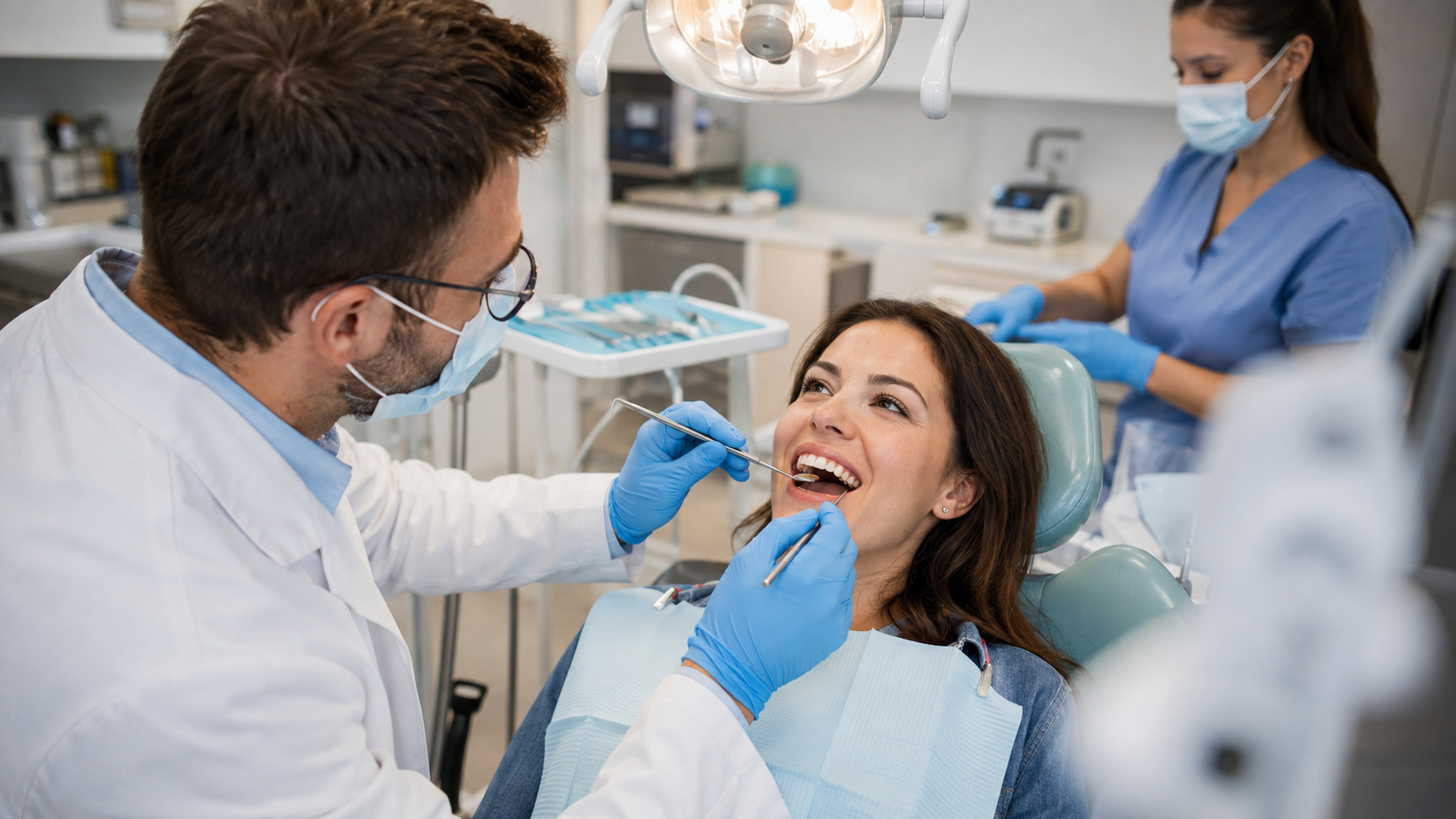
A dental emergency can turn an ordinary day upside down. One minute a person is eating lunch, playing a sport, or getting ready for bed, and the next they are dealing with severe tooth pain, a broken tooth, swelling, or a knocked-out tooth. In those moments, knowing what to do first can make a meaningful difference.
For patients searching for dental emergency what to do Raleigh NC, the most important first step is to stay calm and determine whether the situation needs a dentist, an emergency room, or both. Many urgent dental problems can be handled by an emergency dental appointment, while certain symptoms require immediate medical attention.
This article is for general education only and is not a diagnosis or a substitute for professional care. Anyone with severe pain, swelling, bleeding, trauma, fever, or concerns about a dental emergency should contact a dentist or medical clinician promptly.
What Counts as a Dental Emergency?
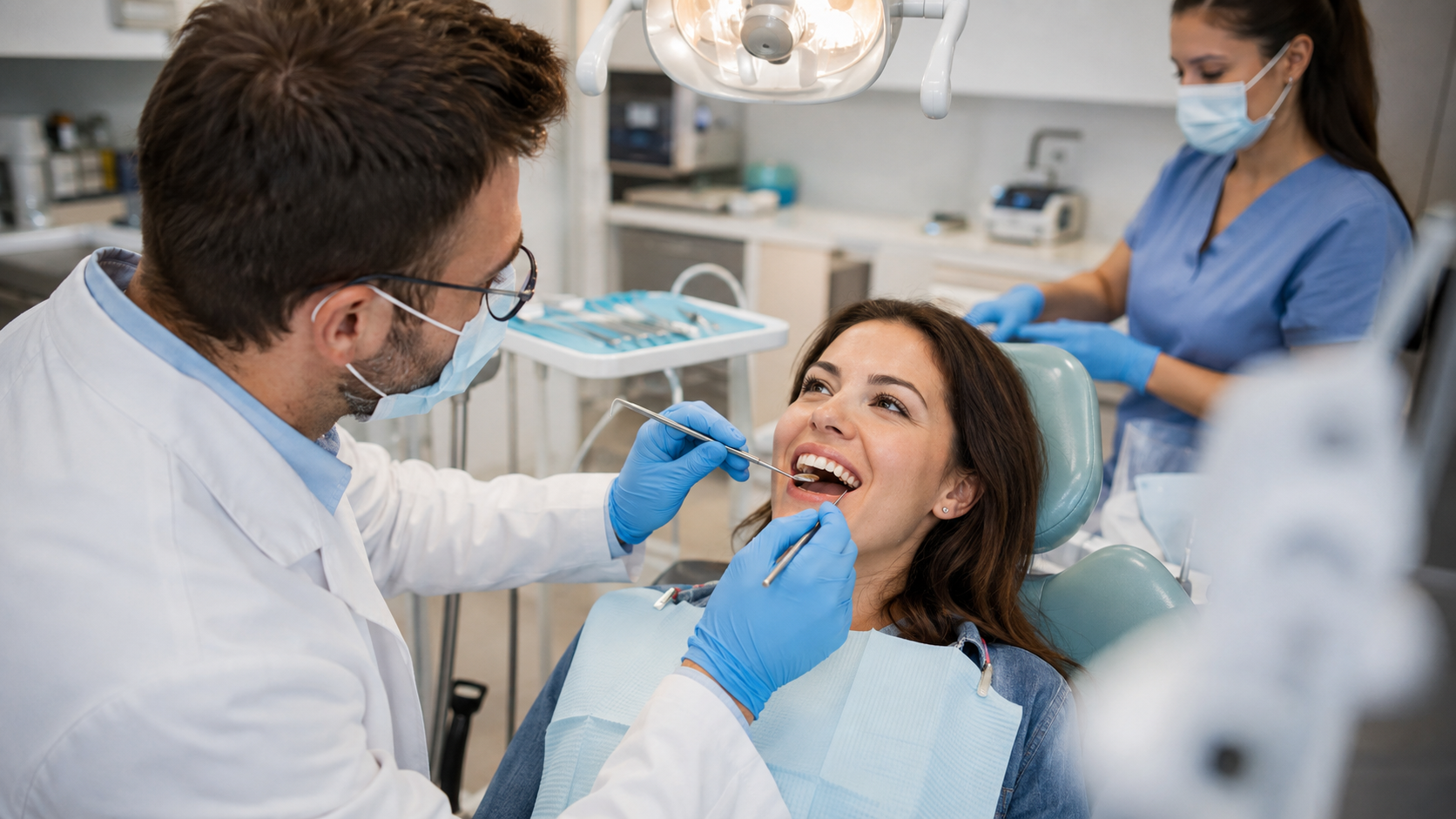
A dental emergency is any mouth, tooth, jaw, or gum problem that needs prompt attention to relieve serious pain, stop bleeding, prevent infection from spreading, or save a tooth. Some emergencies are obvious, such as a knocked-out permanent tooth. Others may start as a dull ache and become urgent when swelling, fever, or intense pain develops.
Common dental emergencies include:
- Severe toothache or throbbing pain
- A knocked-out permanent tooth
- A cracked, broken, or chipped tooth with pain
- Facial swelling, gum swelling, or a suspected abscess
- Bleeding that does not stop after pressure
- A lost crown, bridge, or filling causing pain or sensitivity
- Injury to the lips, tongue, cheeks, teeth, or jaw
- Objects stuck between teeth that cannot be removed gently
Not every dental problem needs same-day treatment, but many should be evaluated quickly. When in doubt, patients in Raleigh can call a dental office like Connection Dentistry for guidance on the safest next step.
When to Go to the ER First
Some symptoms go beyond a dental office emergency and need immediate medical care. A person should call 911 or go to the nearest emergency room if they have:
- Trouble breathing or swallowing
- Rapidly spreading swelling in the face, jaw, neck, or under the tongue
- Uncontrolled bleeding
- Severe facial trauma or a suspected broken jaw
- High fever, confusion, or signs of a serious infection
- Head injury, loss of consciousness, or major accident-related injuries
Emergency rooms can help stabilize serious medical concerns, control bleeding, provide imaging for trauma, and address infections that may affect overall health. After the urgent medical concern is managed, follow-up dental care is often still needed to treat the tooth or gum problem itself.
What to Do Right Away During a Dental Emergency in Raleigh, NC
When a dental emergency happens, a few simple steps can help protect the mouth and make treatment smoother.
1. Call a Dentist as Soon as Possible
The sooner a dental team understands what happened, the sooner they can recommend the right level of care. Patients should explain the symptoms clearly, including when the problem started, whether there was an injury, what the pain feels like, and whether swelling, fever, or bleeding is present.
If the office is closed, patients should listen to the voicemail instructions or online guidance for after-hours emergencies. Many dental offices provide directions for urgent situations.
2. Save Any Broken Pieces or Dental Restorations
If a tooth piece, crown, bridge, or filling comes out, it should be placed in a small container or plastic bag and brought to the appointment. Even if it cannot be reused, it can help the dentist understand what happened.
3. Rinse Gently and Keep the Area Clean
Warm water can help rinse away debris. Patients should avoid aggressive swishing, especially after trauma or bleeding, because it may irritate the area.
4. Use a Cold Compress for Swelling
A cold compress on the outside of the cheek may help reduce swelling and discomfort after injury. It should be used in short intervals with a cloth barrier to protect the skin.
5. Avoid Chewing on the Affected Side
Until a dentist evaluates the problem, patients should avoid chewing on a painful, cracked, loose, or recently injured tooth. Soft foods and careful chewing can help prevent further damage.
Toothache: What to Do Before the Appointment
A severe toothache can feel sharp, throbbing, constant, or triggered by hot, cold, or biting pressure. Causes may include tooth decay, a cracked tooth, gum infection, grinding, or inflammation inside the tooth. Because pain can have several causes, a dentist needs to examine the area before recommending treatment.
While waiting for care, patients can gently floss around the painful tooth to make sure food is not trapped. Rinsing with warm water may also help. Over-the-counter pain relievers may be appropriate for some people when used as directed on the label, but patients with medical conditions, allergies, pregnancy, or medication concerns should ask a clinician first.
Patients should not place aspirin directly on the gums or tooth. This can burn the soft tissue and make the problem worse.
A toothache with swelling, fever, a bad taste, or a pimple-like bump on the gums should be treated as urgent because it may involve infection.
Knocked-Out Permanent Tooth: Time Matters
A knocked-out permanent tooth is one of the most time-sensitive dental emergencies. Quick action may improve the chance of saving the tooth.
Patients should:
- Pick up the tooth by the crown, which is the chewing part, not the root.
- Gently rinse dirt off with milk or saline if available. If not, a brief gentle rinse with water may be used.
- Avoid scrubbing the root or removing attached tissue.
- If possible, place the tooth back in the socket and hold it there gently.
- If reinserting is not possible, keep the tooth moist in milk, saline, or an emergency tooth preservation product.
- Call a dentist immediately.
Baby teeth are different. A knocked-out baby tooth should not be placed back into the socket because it may affect the developing permanent tooth underneath. A dentist should still evaluate the child promptly.
Broken, Cracked, or Chipped Tooth
A small chip may not be painful, but a deeper break can expose sensitive tooth layers or affect the nerve inside the tooth. A cracked tooth may hurt when biting or feel sensitive to temperature changes.
Patients should rinse gently with warm water and save any broken pieces. If the tooth has a sharp edge, dental wax from a pharmacy may temporarily cover the area to protect the tongue or cheek. Chewing on that side should be avoided until the tooth is examined.
Treatment depends on the severity of the damage. A dentist may recommend smoothing, bonding, a filling, a crown, root canal therapy, or another option based on the exam and X-rays. The goal is to relieve discomfort, protect the tooth, and restore function whenever possible.
Swelling, Abscess, or Signs of Infection
Swelling in the gums, jaw, or face should never be ignored. A dental abscess is a pocket of infection that can develop around a tooth root or gum tissue. It may cause severe pain, pressure, bad taste, fever, swollen lymph nodes, or a bump on the gums.
Patients should contact a dentist quickly if swelling or suspected infection occurs. If swelling spreads toward the eye, neck, or floor of the mouth, or if breathing or swallowing becomes difficult, emergency medical care is needed immediately.
Warm salt water rinses may provide short-term comfort for some gum irritation, but they do not cure an infection. Antibiotics may sometimes be prescribed, but the source of the infection often needs dental treatment as well.
Lost Crown or Filling
A lost crown or filling can leave a tooth sensitive and vulnerable. Patients should keep the crown or restoration and avoid chewing on the affected side. If the tooth is sensitive, temporary dental cement from a pharmacy may help cover the area until the dental visit, but it should not replace professional care.
A crown should not be permanently glued at home. Household glue is unsafe for the mouth and can damage the tooth or restoration. A dentist can determine whether the crown can be recemented or whether the tooth needs additional treatment.
Bleeding or Injury to the Lips, Tongue, or Cheeks
Soft tissue injuries can bleed heavily because the mouth has a strong blood supply. Patients can rinse gently with water and apply clean gauze or a clean cloth with steady pressure. A cold compress on the outside of the mouth may help reduce swelling.
If bleeding does not slow after firm pressure, or if the cut is deep, gaping, caused by a serious accident, or associated with broken teeth or jaw pain, urgent medical or dental care is needed.
How an Emergency Dental Visit Usually Works
An emergency dental visit focuses first on comfort, safety, and identifying the source of the problem. The dental team may ask about symptoms, medical history, medications, allergies, and how the injury or pain began.
The dentist may take X-rays, examine the teeth and gums, check the bite, and look for signs of infection or fracture. Once the cause is clearer, the patient can discuss treatment options. Depending on the situation, same-day care may involve smoothing a sharp edge, placing a temporary restoration, draining an abscess, starting medication, repairing a tooth, or planning follow-up treatment.
Modern dentistry offers many comfort-focused options, and patients should feel comfortable asking questions about numbing, anxiety, timing, costs, and what to expect after treatment.
Preparing for Dental Emergencies Before They Happen
No one plans to have a dental emergency, but a little preparation can reduce stress. Patients in Raleigh may want to keep the phone number for Connection Dentistry saved in their mobile phone, along with the address and office hours.
A simple dental emergency kit can also help. Useful items include clean gauze, a small container with a lid, dental wax, over-the-counter pain reliever approved by a clinician, and an emergency tooth preservation product if available.
Preventive care also plays a major role. Routine dental exams, cleanings, protective mouthguards for sports, nightguards for grinding, and timely treatment for cavities or cracked teeth can lower the risk of urgent problems. Many dental emergencies begin as small issues that become painful when they go untreated.
Dental Emergency FAQ
What should someone do first in a dental emergency in Raleigh, NC?
The first step is to assess safety. If there is trouble breathing, severe facial trauma, uncontrolled bleeding, or rapidly spreading swelling, call 911 or go to the ER. For tooth pain, broken teeth, swelling, lost crowns, or knocked-out teeth, contact a dentist as soon as possible for guidance.
Can a dental emergency wait until tomorrow?
Some minor issues can wait for the next available appointment, but severe pain, swelling, infection signs, trauma, uncontrolled bleeding, or a knocked-out permanent tooth should be addressed urgently. When a patient is unsure, calling a dental office is the safest choice.
What should someone do with a knocked-out tooth?
A knocked-out permanent tooth should be handled by the crown, kept moist, and evaluated by a dentist immediately. If possible, it may be placed back into the socket gently. If not, it can be stored in milk or a tooth preservation product. A knocked-out baby tooth should not be reinserted.
Is a tooth abscess an emergency?
A suspected abscess can be urgent, especially if there is swelling, fever, severe pain, bad taste, or a bump on the gums. If swelling affects breathing, swallowing, the neck, or the floor of the mouth, emergency medical care is needed right away.
What can help tooth pain before seeing the dentist?
Gentle flossing, warm water rinses, avoiding chewing on the painful side, and appropriate over-the-counter pain relievers may help some patients temporarily. Aspirin should not be placed directly on the tooth or gums. A dentist should evaluate the cause of the pain.
Should someone go to urgent care or a dentist for tooth pain?
A dentist is usually the best professional to diagnose and treat tooth-related problems. However, urgent care or an ER may be appropriate when there are serious medical symptoms, spreading swelling, fever, difficulty breathing or swallowing, or major trauma.
Connection Dentistry Is Here to Help
Dental emergencies are stressful, but patients do not have to figure everything out alone. Quick action, calm decision-making, and professional guidance can help protect oral health and relieve discomfort.
For patients in Raleigh wondering what to do during a dental emergency, Connection Dentistry can help evaluate urgent dental concerns and discuss appropriate next steps. Anyone experiencing severe symptoms, swelling, injury, or worsening pain should reach out promptly and ask for guidance. A timely call can bring clarity, comfort, and a path toward feeling better.

