
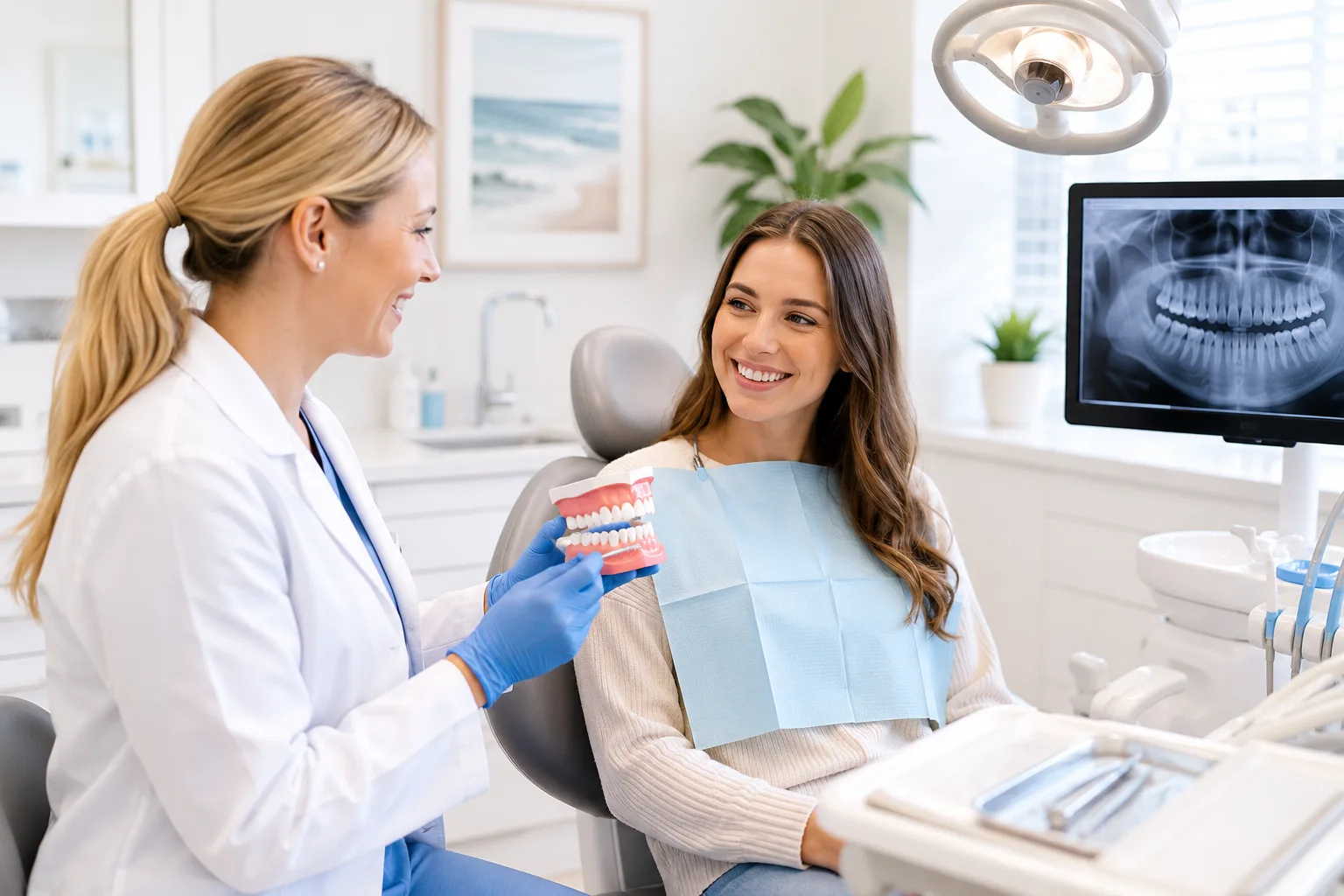
A professional dental cleaning can feel like a small appointment, but it plays an important role in long-term oral health. It removes buildup that brushing and flossing may leave behind while giving the dental team an opportunity to look for changes in the teeth and gums.
For anyone searching for a dental cleaning in Raleigh, NC, understanding the process can make the visit feel much easier. A routine appointment is generally straightforward, and the dental team can adjust the experience for patients with sensitive teeth, dental anxiety, or concerns about gum health.
This article provides general educational information and is not a diagnosis or a substitute for care from a dentist. A dental professional can recommend the appropriate type and frequency of cleaning after examining the teeth and gums.
What Is a Professional Dental Cleaning?
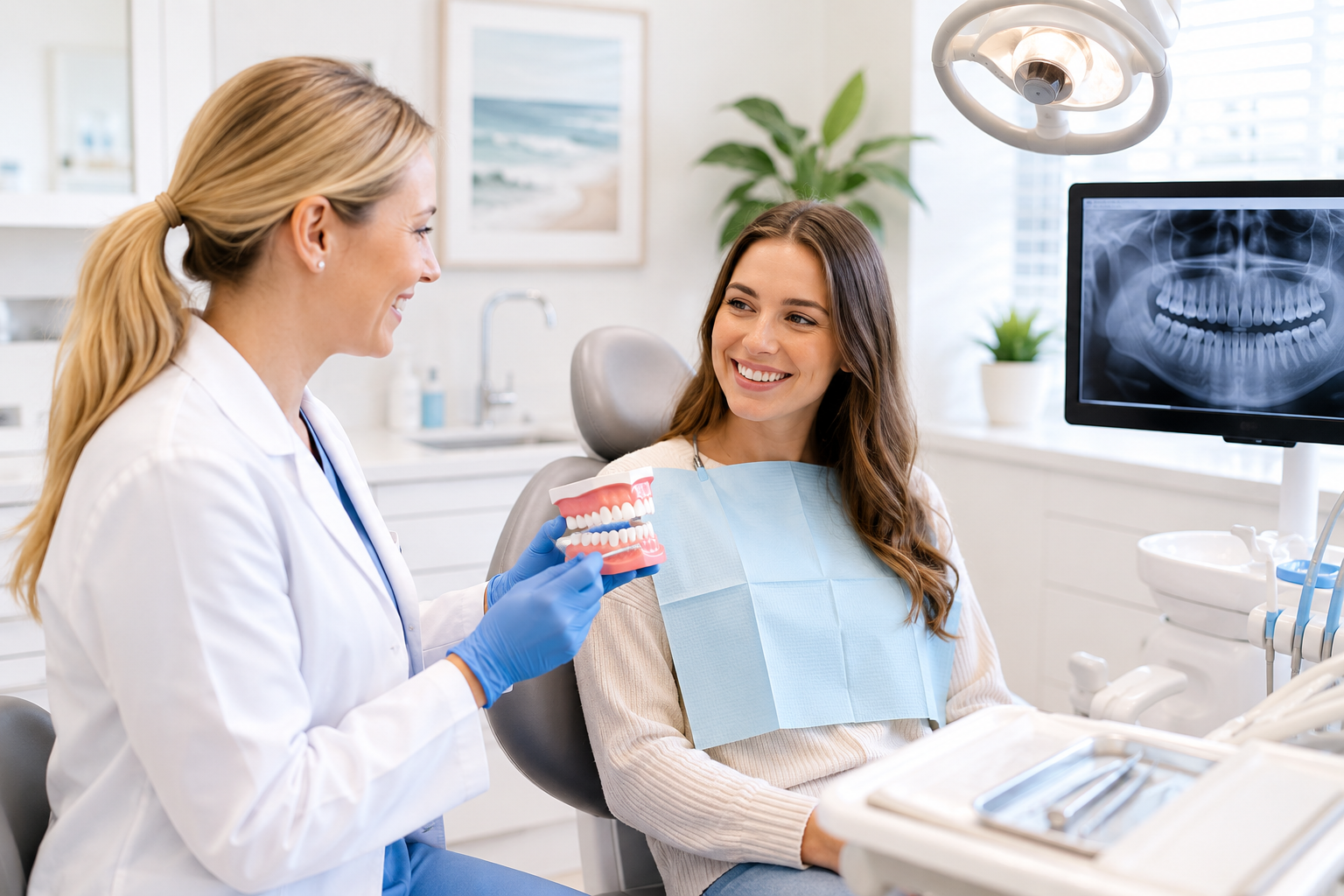
A professional cleaning focuses on removing plaque, hardened tartar, and surface stains from the teeth. Plaque is a sticky film that continually forms on tooth surfaces. Daily brushing and flossing help control it, but areas between teeth and near the gumline can be difficult to clean completely.
When plaque hardens into tartar, also called calculus, a toothbrush cannot reliably remove it. A dental hygienist uses specialized instruments to clean these deposits safely. The appointment may also include an examination, appropriate X-rays, gum measurements, polishing, and personalized home-care guidance.
The exact steps depend on the patient’s oral health. Someone with healthy gums may need a routine preventive cleaning, while a patient with signs of gum disease may require a different approach.
What Happens During a Routine Teeth Cleaning?
Knowing what to expect can reduce uncertainty. Although every appointment is personalized, a routine cleaning commonly includes the following steps.
Review of health and dental history
The team may ask about medications, recent health changes, pregnancy, allergies, dental sensitivity, and any pain or bleeding. These details matter because overall health and oral health are closely connected. Patients should also mention anxiety or a previous uncomfortable dental experience so the team can adapt the visit.
Evaluation of the teeth and gums
The hygienist or dentist checks the mouth for visible concerns. Gum measurements may be taken to assess the spaces around the teeth and look for signs that additional periodontal evaluation could be helpful. Dental X-rays are recommended according to individual needs rather than automatically at every cleaning.
Plaque and tartar removal
The hygienist uses hand instruments, an ultrasonic device, or a combination of both to remove buildup. An ultrasonic instrument uses gentle vibration and water to loosen deposits. Patients may hear scraping sounds or feel pressure, but they should tell the hygienist if anything feels sharp or uncomfortable.
Polishing and cleaning between the teeth
Polishing helps remove some external stains and leaves the tooth surfaces feeling smooth. The hygienist may also floss between the teeth to clear loosened debris and identify areas where home cleaning could be improved.
Dental examination and recommendations
When an examination is part of the visit, the dentist reviews the teeth, gums, bite, and other oral tissues. If an area needs attention, the team can explain what was found, discuss options, and answer questions. Finding a concern does not automatically mean extensive treatment is necessary; the next step depends on the diagnosis and the patient’s needs.
Routine Cleaning vs. Deep Cleaning
A routine cleaning and a deep cleaning are not interchangeable. The right procedure depends on the condition of the gums and supporting tissues.
A routine cleaning is preventive care intended for a mouth without active periodontal disease. It primarily removes deposits from the visible tooth surfaces and around the gumline.
A deep cleaning, commonly called scaling and root planing, treats areas affected by gum disease. It removes plaque and tartar from below the gumline and smooths root surfaces to make it harder for bacteria to collect. Connection Dentistry describes this procedure as part of its periodontal therapy services.
Deep cleaning may require local anesthetic and may be completed in sections, depending on the areas involved. According to the Cleveland Clinic’s guidance on scaling and root planing, patients may experience temporary bleeding, tenderness, or sensitivity afterward. Most can return to their normal routine the same day, but recovery instructions should always come from the treating dentist.
A dentist should determine whether a routine or deep cleaning is appropriate after evaluating the gums. Choosing a routine cleaning solely because it sounds simpler may leave disease below the gumline untreated.
How Dental Cleanings Support Preventive Care
Preventive dentistry is about addressing small concerns before they become more complicated. A cleaning supports this goal in several ways:
- It removes hardened buildup: Tartar cannot be managed effectively with a regular toothbrush at home.
- It creates an opportunity to evaluate gum health: Bleeding, swelling, recession, and deeper spaces around teeth may need closer attention.
- It may reveal early dental changes: Exams associated with preventive visits can identify concerns before they cause obvious discomfort.
- It improves home-care habits: Personalized tips can help patients clean difficult areas more effectively.
- It freshens the mouth: Removing accumulated plaque, tartar, and debris may help when buildup contributes to unpleasant breath.
Regular preventive appointments do not guarantee that cavities or gum problems will never occur. They do, however, help the dental team monitor changes and recommend timely care when needed.
How Often Should Teeth Be Cleaned?
There is no single cleaning schedule that fits every patient. The appropriate interval depends on gum health, cavity risk, home-care habits, tobacco use, dry mouth, medical history, and previous dental treatment.
Some patients do well with a standard preventive schedule. Others may benefit from more frequent maintenance, especially if they have a history of periodontal disease or quickly develop heavy buildup. After periodontal treatment, ongoing periodontal maintenance is different from an ordinary preventive cleaning.
The best schedule is the one recommended after an individual dental evaluation. If it has been a long time since the last visit, there is no need to feel embarrassed. Dental teams routinely help people restart care after a gap.
Will a Dental Cleaning Hurt?
A routine cleaning is often comfortable, although sensations vary. Tender gums, exposed tooth roots, heavy tartar, or existing inflammation can make certain areas more sensitive. Patients can improve comfort by speaking up early rather than trying to endure discomfort silently.
Helpful options may include:
- Taking short breaks during the appointment
- Using a lighter touch or a different instrument in sensitive areas
- Applying a topical numbing product when clinically appropriate
- Using local anesthetic for deeper periodontal care
- Agreeing on a hand signal to pause treatment
- Explaining each step before it happens
Patients with dental anxiety may also find it helpful to request a morning appointment, bring headphones, or tell the office what has helped during previous visits. A supportive dental team should welcome questions about comfort.
What Affects the Cost of a Dental Cleaning in Raleigh?
The cost of a dental cleaning in Raleigh, NC varies because the phrase “cleaning” can refer to different services. The total may depend on whether the visit includes an examination, X-rays, a routine cleaning, periodontal maintenance, or scaling and root planing.
Dental insurance benefits also vary by plan. Before the appointment, patients can ask the dental office:
- Which services are expected at the first visit?
- Is the quoted fee for the cleaning alone or for the complete visit?
- Will X-rays be needed?
- Can the office provide an estimate based on available insurance information?
- What payment options are available for uncovered care?
An estimate is not always a final bill because the required type of cleaning may only become clear after an examination. A trustworthy office should explain any recommended change in treatment and the associated fee before proceeding whenever possible.
How to Care for the Teeth After a Cleaning
Most people can return to normal activities immediately after a routine cleaning. Mild gum tenderness or brief sensitivity can occur, particularly when there was significant buildup or inflammation.
Patients can maintain the clean feeling by brushing thoroughly with fluoride toothpaste, cleaning between the teeth daily, and following individualized recommendations from the dental team. If fluoride varnish was applied, the office may provide temporary eating or brushing instructions.
After a deep cleaning, follow the treating dentist’s instructions. Contact the office if bleeding does not stop, discomfort does not improve with recommended measures, or severe swelling develops. These warning signs are also identified in the Cleveland Clinic’s patient guidance for scaling and root planing.
Frequently Asked Questions About Dental Cleaning
Can a dental cleaning whiten the teeth?
A cleaning may make teeth look brighter by removing some surface stains caused by foods, drinks, or tobacco. It does not change the natural internal color of tooth enamel in the way professional whitening treatment can.
Why do gums bleed during a cleaning?
Gums may bleed when they are inflamed or when plaque and tartar have accumulated near the gumline. Bleeding can also occur if the tissues are irritated. Because several factors may be involved, persistent bleeding should be evaluated rather than self-diagnosed.
Can someone get a cleaning if they have sensitive teeth?
Yes, but sensitivity should be mentioned before the cleaning begins. The dental team can identify possible causes and may adjust the instruments, water temperature, pressure, or numbing approach based on the patient’s needs.
Is a dental exam the same as a cleaning?
No. A cleaning removes buildup, while an examination evaluates the teeth, gums, bite, and oral tissues. They are often scheduled together, but they are separate services with different purposes.
What if it has been several years since the last cleaning?
The first step is simply to schedule an evaluation. The dental team can assess the current condition without judgment and explain whether a routine cleaning, deep cleaning, or another form of care is appropriate.
Should a patient brush before the appointment?
Brushing beforehand is courteous but not required. The dental team expects to clean the mouth professionally. Patients should avoid aggressive last-minute brushing, which can irritate the gums.
Schedule a Comfortable Dental Cleaning in Raleigh, NC
Professional cleanings are an important part of preventive care, but the experience should also feel respectful, understandable, and tailored to the patient. Asking questions about sensitivity, gum health, costs, or the recommended type of cleaning can help patients make informed decisions.
Connection Dentistry provides preventive dental care for patients in Raleigh, NC. Those who are due for a cleaning or unsure what kind of appointment they need can contact the practice to ask questions and schedule an evaluation. The dental team can recommend next steps based on the patient’s individual oral health.

